

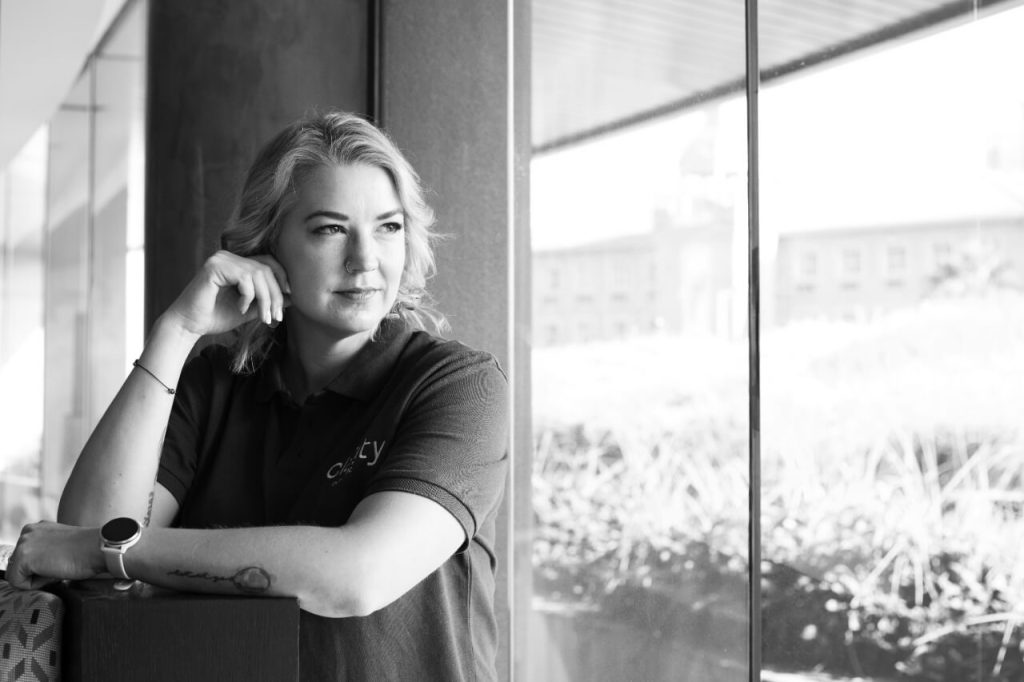

Here is the thing about work. We keep pretending that a one-size-fits-all schedule magically fits everyone. It does not. And the people it squeezes hardest are women. Not because we are fragile. Not because we cannot handle pressure. But because the world still runs on a structure built for a life most women do not live.
Work has evolved. Women’s lives have evolved. But some companies? Still running on Windows 95.
It is time to talk about flexibility in a grown up way.
What the Research Actually Says
Flexible support is not a vibe. It is not a perk you sprinkle into the employee handbook. It has real, measurable impact.
A 2025 study of 600 women in Bengaluru found that flexible work arrangements significantly increased job satisfaction and quality of life because they reduced work family conflict and improved balance. The researchers made it clear. Flexibility lifted stress and increased overall well being.
A Stanford study led by Nicholas Bloom found that hybrid workers were as productive or more productive than full office teams. They also had higher satisfaction and lower attrition.
A South African human resource study found that flexible work options improved employee engagement and well being. People who had autonomy were more energised. People who had control were more committed.
None of this is surprising. Women are not asking for special treatment. They are asking for structures that reflect reality.
The Real Issue Women Face
Here is the uncomfortable part. When flexibility is offered without intention, it can hurt the very people it is supposed to help.
Research warns about the flexibility penalty. The bias that says women who use flexible work are somehow less committed or less ambitious. It shows up in promotions. It shows up in pay. It shows up when visibility and proximity are quietly rewarded more than results.
This is not a flexibility problem. This is a leadership problem. A mindset problem. A system problem.
Women cannot win in a structure that says “be everything for everyone” and then punishes them for finding sustainable ways to cope.
What Real Flexible Support Looks Like
Women do not all need the same thing. That is the whole point.
Real support means options that shift with seasons. Life stages. Responsibilities. Health. Caregiving. Ambition. Energy.
That looks like:
• Flexible hours that let people manage school runs or care appointments without feeling guilty
• Hybrid schedules that allow deep work at home and collaboration in person
• Part time or reduced load options that do not destroy a career path
• Clear performance criteria so people are measured on outcomes not presence
• Managers who normalise flexibility instead of treating it like a favour
• Rigorous policies that stop the flexibility penalty before it starts
• Visibility practices that make hybrid teams equally seen and supported
This is not about special treatment for women. It is about modern work design.
Why Employers Should Care
Supporting women is not charity. It is talent strategy.
Flexibility leads to better retention. Better engagement. Better leadership pipelines. Better employer brands. Teams that are more resilient and less burnt out. Companies that keep their best people instead of losing them at predictable life stages.
Every organisation that struggles to promote women into senior roles should start here. Flexibility is not the barrier. The lack of intentional design is.
Culture Runs on Trust. Not Presence.
If culture falls apart the moment someone works from home, then it was not culture. It was supervision.
Real culture is built on clarity. Respect. Accountability. Safety. Behaviour. How leaders show up. How teams relate. How decisions get made.
The place you sit is not culture. It is architecture. Culture is everything that happens inside it.
Women deserve workplaces that reflect the complexity of their lives. Not the simplicity of old systems.
This is not a women’s issue. It is a work issue. And it affects everyone who wants to build a life that works without sacrificing a career that matters.